If you ask someone about the benefits of sports, chances are you’ll hear: Sports keep us healthy. They help us stay active. They teach teamwork and discipline.
All of these remarkable benefits of sports are true. But anyone who has ever truly loved a sport knows the greatest lessons rarely happen when the scoreboard is on. They happen in the quieter moments: the confidence that grows from trying something difficult, the friendships built through shared experiences, the sense of belonging that comes from being part of something bigger than yourself.
Sports have a way of revealing strengths we didn’t know we had. For people with disabilities, those experiences can be every bit as powerful—yet, all too often, far less accessible.
That’s where adaptable sports come in, offering a different version of athletics that create opportunities for people to experience the confidence, connection, independence, and joy that sports foster.
What are adaptive sports?
 Adaptive sports are exactly what they sound like: sports that have been adapted so people with disabilities can participate fully and competitively.
Sometimes that means specialized equipment, such as sports wheelchairs, handcycles, or adaptive skis. Sometimes it entails modified rules or creative approaches that make participation possible without changing the spirit of the game itself.
Today, adaptive athletes compete in nearly every sport imaginable: from basketball, tennis, swimming, and track to rowing, cycling, skiing, surfing, and climbing. Whether someone is playing recreationally for fun or training for elite competition, access to adaptive sports ensures that their disability is never the reason someone is excluded from participating.
It may sound like a simple idea, but it represents decades of progress.
A movement built on possibility
 The modern adaptive sports movement traces its roots to the years following World War II, when physicians began recognizing that sports could play an important role in rehabilitation for veterans with spinal cord injuries. In 1948, neurologist Sir Ludwig Guttmann organized the first Stoke Mandeville Games in England, an event now widely regarded as the beginning of organized adaptive sports.
Only twelve years later, athletes from around the world gathered in Rome for what became the first Paralympic Games.
Since then, adaptive sports have grown into an international movement that continues to challenge outdated assumptions about disability. Today, Paralympians compete on the world’s biggest stages, adaptive recreation programs exist in communities across the country, and countless individuals discover athletics not simply as a hobby, but as a pathway toward greater confidence and independence.
Yet despite that progress, access remains one of the greatest challenges.
The barriers often have nothing to do with ability
When people think about adaptive sports, they often imagine physical challenges. In reality, the biggest obstacles are frequently financial and logistical.
Adaptive equipment can be expensive. Transportation to practices, games, and tournaments isn’t always readily available. Registration fees, travel costs, and specialized programs can quickly become out of reach for individuals and families already managing the additional expenses that disability can bring. Someone may have the talent, the determination, and the desire to play, but not the resources to get there.
No child should have to watch from the sidelines because a sports wheelchair is unaffordable. No adult should have to give up a passion because transportation to practices isn’t available to them.
Removing those barriers to access to adaptive sports means offering those with disabilities not just an athletic experience; but also the confidence that carries into classrooms, workplaces, and everyday life.
A legacy built through sport
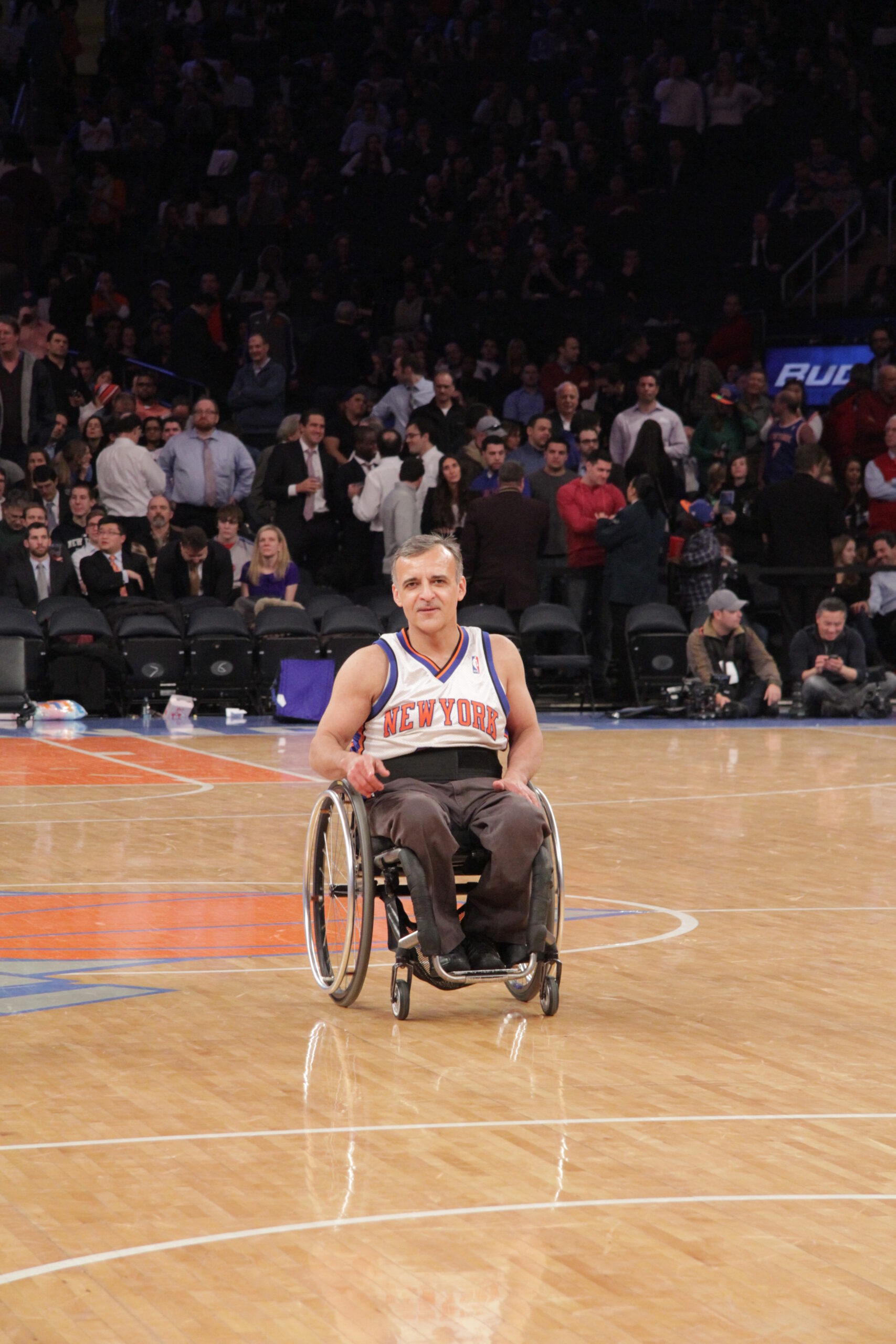
Few people understood the power of adaptive sports better than Joe Bravo.
Long before adaptive sports gained broader public recognition, Joe experienced their life-changing impact firsthand. At just sixteen years old, he was introduced to wheelchair basketball and, perhaps more importantly, to a community of athletes with disabilities who were living independently, pursuing ambitious goals, and redefining what was possible.
That experience shaped the course of his life. Joe went on to compete on numerous wheelchair basketball teams, proudly representing the United States on the 1988 Paralympic Wheelchair Basketball Team. His longest athletic home was with the NY Rollin’ KNICKS, a National Wheelchair Basketball Association Division I team co-sponsored by the New York Knicks, Madison Square Garden, and WILC, where he competed as a player before later returning as a coach and mentor.
His love of athletics extended well beyond basketball. Joe played wheelchair tennis, participated in wheelchair road racing, enjoyed swimming and jet skiing, and even tandem skydived.
But if you knew Joe, you knew sports were never simply about competition.
They reflected the same values that guided his decades of leadership at WILC: independence, self-determination, resilience, and the belief that every individual deserves the opportunity to pursue their goals without unnecessary barriers standing in the way.
Carrying Joe’s vision forward
That belief is what inspired the creation of the Joe Bravo “Play it Forward” Scholarship.
The scholarship will provide financial assistance to youth and adults with disabilities who need help covering the costs associated with adaptive sports and recreation.
Inspired by Joe Bravo’s legacy of service, it is WILC’s vision to ensure that more individuals have the opportunity to experience the same sense of possibility and empowerment that sports gave Joe.
You can help someone get in the game
Communities are stronger and more vibrant when everyone has the opportunity to participate.
This month, WILC invites you to become part of that effort by supporting the Joe Bravo “Play it Forward” Scholarship.
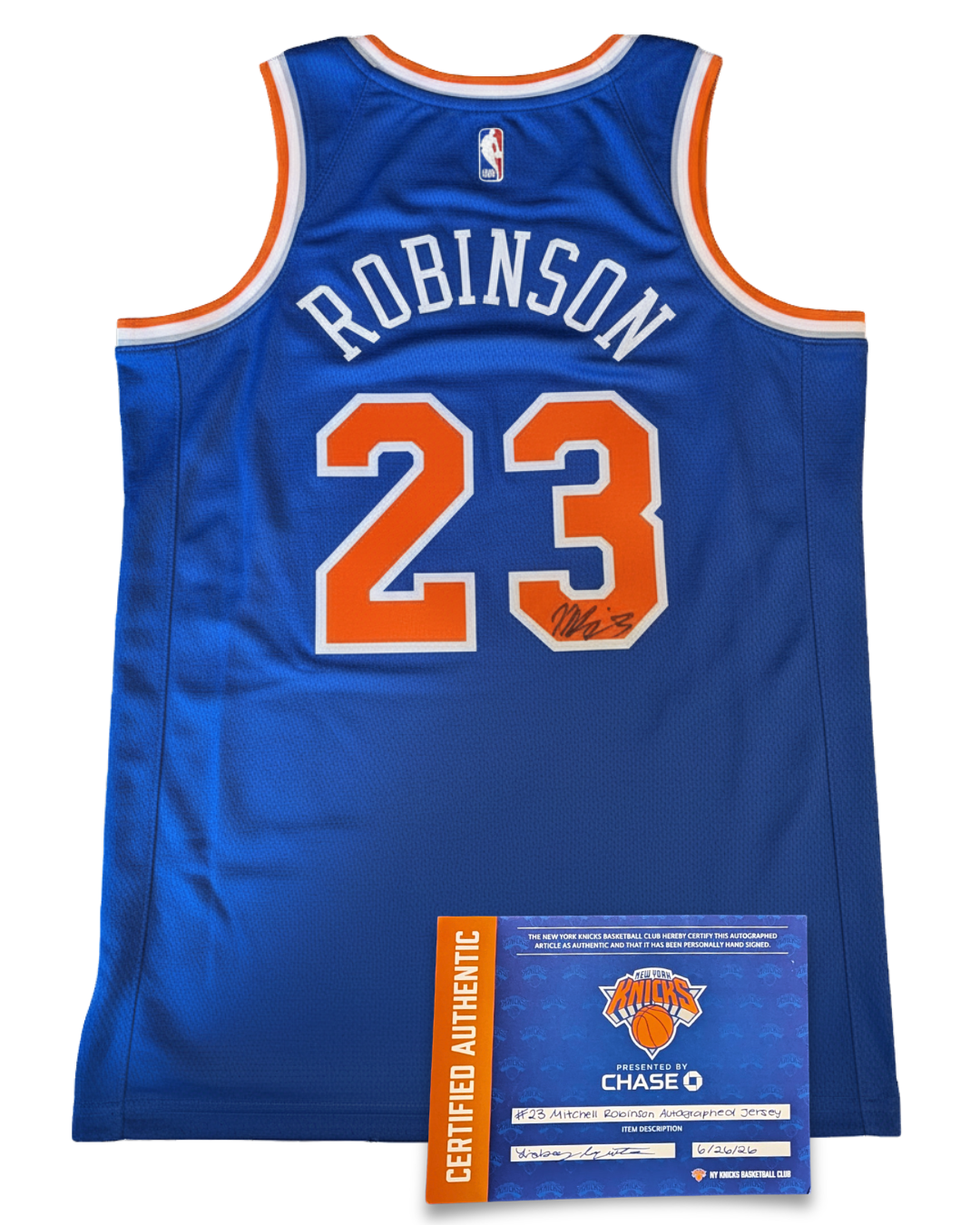
To support the scholarship, WILC is raffling a signed Mitchell Robinson (#23) New York Knicks jersey from the 2026 NBA Championship season. Enter the raffle here!
Every raffle entry helps fund future scholarship recipients while giving one lucky winner the opportunity to own a unique piece of New York sports history.
Whether you’re a Knicks fan, someone who believes in expanding opportunities for people with disabilities, or simply inspired by Joe Bravo’s remarkable legacy, your participation helps create opportunities that extend far beyond the game itself.
Enter the raffle by August 31 to Play it Forward!
