February is a month of reflection. It’s a time to honor history, recognize injustice, and imagine something better. As we observe Black History Month and World Day of Social Justice (February 20), we’re invited to reflect on how access actually works in everyday life.
For people with disabilities, access is rarely a single hurdle. It is shaped by race, income, language, age, culture, and community. These identities don’t exist separately; they overlap and influence how someone experiences healthcare, housing, education, transportation, and public benefits. And when systems fail to account for that reality, the result is exclusion (even when help technically exists.)
When Access Depends on Who You Are
Two people can walk into the same system and have completely different experiences. One might be met with clear explanations, flexible options, and respect. Another might encounter confusing paperwork, long wait times, or assumptions that feel dismissive or harmful.
For individuals who are Black, Indigenous, or people of color, navigating disability services often comes with an added layer of historical mistrust rooted in generations of inequitable treatment. For those with limited English proficiency, information may exist but remain inaccessible. For people with lower incomes, “available” services may be practically out of reach due to transportation costs, unpaid time off, or digital barriers.
Healthcare, Housing, and Benefits: Where Inequity Shows Up Most
Healthcare access is often one of the clearest examples of how inequity plays out. People with disabilities may struggle to find providers who understand both their medical needs and their cultural background. Appointments are rushed. Symptoms are dismissed. Communication breaks down.
Housing presents its own challenges. Accessible units are limited, and the application process can be overwhelming, especially for someone managing a disability while also navigating language barriers or financial instability. Long waitlists and unclear eligibility criteria can leave people stuck in unsafe or unsuitable living situations.
Public benefits, meant to be a safety net, often feel anything but. Complex rules, or fear of losing eligibility, create stress and confusion (particularly for individuals who don’t have advocates or support systems to help them navigate the process.)
Why Reaching Communities with Culturally Responsive Outreach Matters
Culturally responsive advocacy means recognizing that people bring their full life experience into every interaction. It means understanding that trust may need to be built slowly, especially when someone has been dismissed or harmed by systems in the past. It means offering support in a way that respects culture, language, family structure, and personal goals.
At WILC, advocacy starts with intentional, culturally responsive outreach that meets people where they are. Our Minority Outreach Program works directly within historically underserved communities across the Lower Hudson Valley to share information in accessible ways and connect individuals with the programs and supports they need most, whether that’s helping someone navigate benefits, understand their healthcare options, or simply feel seen and respected.
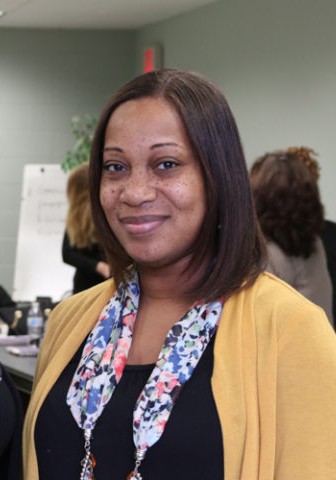
Gichel Walters, Director of Minority Outreach and Re-Entry Programs, shares:
“As Director, I actively support the Minority Outreach Program by ensuring equity, inclusion, and access are embedded in both our mission and daily operations. I advocate for culturally responsive services, allocate resources to address disparities, and promote partnerships with community organizations that serve underrepresented populations. I also support staff training to strengthen cultural humility and ensure our programming reflects the lived experiences of the communities we serve. Through intentional leadership, accountability, and community engagement, I am committed to advancing opportunities, amplifying minority voices, and reducing barriers to participation and success.”
How WILC Meets People Where They Are
WILC’s programs are intentionally designed to be flexible, person-centered, and rooted in dignity. Here are a few links to explore further:
- NY Connects provides guidance through long-term services and supports, helping individuals and families understand their options without judgment or pressure.
- Benefits Advisement helps people navigate complex benefit systems with clarity and confidence, ensuring they can make informed decisions without risking their stability.
- Peer Advocacy centers lived experience, offering connection and reassurance from people who understand what it’s like to navigate these systems firsthand.
- Minority Outreach & Re-Entry Programs: WILC builds trust and access in underserved communities through culturally responsive outreach and advocacy, helping individuals navigate disability services, benefits, and community resources while addressing barriers related to race, language, income, and re-entry.
Access is not just about compliance or checklists. It’s about belonging. It’s about whether people feel seen, heard, and valued within the systems meant to serve them.
At WILC, we believe in honoring intersectionality, challenging inequity, and showing up with compassion and expertiseevery single day.Because disability justice is social justice, and access should never be one-size-fits-all.
