May is Mental Health Awareness Month: an opportunity to deepen our understanding of how mental health shapes our lives, our relationships, and our ability to fully participate in our communities.
Mental health is not separate from other parts of life. It is deeply connected to housing, employment, healthcare, and access to essential services. And for many individuals—especially those navigating disability systems—mental health is not just a personal experience. It is an access issue. When someone cannot access the support they need, the consequences ripple outward.
This month, members of WILC & PILS teams shared reflections on mental health, recovery, and the importance of community support.

When Mental Health Affects the Entire Family
Mental health disabilities affect not only individuals, but entire families and support systems as well. Meg Valenzuela, Program Director of IL Services with Putnam Independent Living Services, reflected on how growing up alongside a parent living with schizophrenia shaped their understanding of trauma, anxiety, and resilience.
“Mental health disabilities affect not only the person, but the entire family. I had a father with schizophrenia. He was often hit with delusions, hallucinations and paranoia while I was growing up. This created an unsafe, scary environment at home.
As a young child, I learned to anticipate potential danger and chaos all the time. It caused a hyper alertness and vigilance in me as a survival mechanism. Through all of this, as an adult I developed a chronic state of sustained, long lasting anxiety and fear of people that wouldn’t go away.
The good part is, later in life I found that I had a real ability to read others’ emotions and understand difficult situations. I developed the ability to navigate complex, chaotic situations and remain calm. To say the least, I still struggle with the after effects of having a father that I loved so much, but was so very ill.”
Experiences like these remind us that mental health conversations are rarely isolated. Trauma, stress, instability, and caregiving responsibilities often affect multiple generations and shape how individuals move through the world long after a crisis has passed.
For many people, simply navigating everyday systems while carrying those experiences can feel overwhelming.
At WILC, we hear from individuals who are trying to:
- Maintain housing while managing emotional stress or instability
- Return to work while navigating mental health recovery
- Understand benefits systems that feel confusing or inaccessible
- Advocate for themselves in healthcare settings where they may not feel heard
Mental health, in these instances, directly affects whether someone can move forward toward greater independence and stability in their lives.
Housing Stability Is Mental Health Support
One of the clearest intersections WILC sees is between mental health and housing stability.
A person experiencing ongoing stress, trauma, or psychiatric disability may face difficulty maintaining stable housing. At the same time, housing instability can significantly worsen mental health. The uncertainty of where you will sleep, how you will pay rent, or whether you will be able to remain in your home creates an ongoing cycle of stress that can be difficult to break without support.
Michael DiMattina, Putnam Independent Living Services Mental Health Advocate, reflected on how critical stable housing is for mental health recovery and community integration:
“People with psychiatric disabilities need support. Especially adequate and accessible housing. This is crucial to mental health recovery. Housing is fundamental to promote health, safety, dignity and a meaningful life in the community. Good housing helps prevent avoidable, costly and potentially frequent hospitalizations. If the need for adequate and appropriate housing is not met, care is likely to suffer.
We know that people with psychiatric disabilities make up a large number of the homeless and the incarcerated. The demand for housing options continues to grow. Thank fully our state must comply with the Americans with Disabilities Act as decided in the Supreme Courts Olmsted decision to serve people with disabilities in the most integrated setting. I believe recovery is possible.”
Our staff sees firsthand how quickly mental health challenges, financial hardship, and housing insecurity are interconnected. When someone loses stability in one area of life, it can affect every other area.
This is why advocacy, guidance, and access to resources matter so deeply for long-term independence and wellbeing.

Employment, Purpose & Support
Employment is another space where mental health and disability intersect. For some individuals, mental health challenges may interrupt career paths or make traditional work environments difficult to navigate. For others, returning to work can become an important step toward confidence, purpose, and independence.
Programs like ACCES-VR and WILC’s Benefits Advisement services help individuals understand how employment may impact their benefits, explore career options, and move forward at a pace aligned with their goals and needs.
Mental health support is not only about treatment. It is also about helping individuals access pathways forward.
Stigma and Recovery
Stigma remains one of the biggest barriers preventing individuals from seeking support, accessing care, or feeling understood within their communities.
Joe Guagliano, Legislative Advocate at Westchester Independent Living Center, shared his own reflections on stigma and recovery:
“I have suffered from mental illness for 40 years. I don’t view stigma as a threat to me because I accept the fact that people who are ignorant of mental illness shouldn’t dictate how I feel about myself. As a matter of fact, I believe I’m a stronger person because I’ve had to deal with a very chronic case of mental illness. I was able to complete law school despite having my first psychiatric episode in my third year of study, which delayed my graduation and delayed taking the bar exam. The medical professionals said I would never be able to finish law school or pass the bar exam. I was able to do both. I practiced law for 5 years following graduation. I have much more compassion for others because of my experience with mental illness. And now that I haven’t been hospitalized in more than 30 years I am optimistic about my future and I have a wonderful wife and family.
One thing I’d like to add is that my Catholic faith has been a big support for me as well. I know that I did not suffer in vain and I appreciate every blessing in my life. This makes my life much more worthwhile.”
Stories like these challenge harmful assumptions about what mental illness looks like and who is capable of living meaningful, successful, connected lives. Recovery is not linear, and mental health challenges do not define a person’s value, intelligence, leadership, or future.
The Power of Peer Support & Community
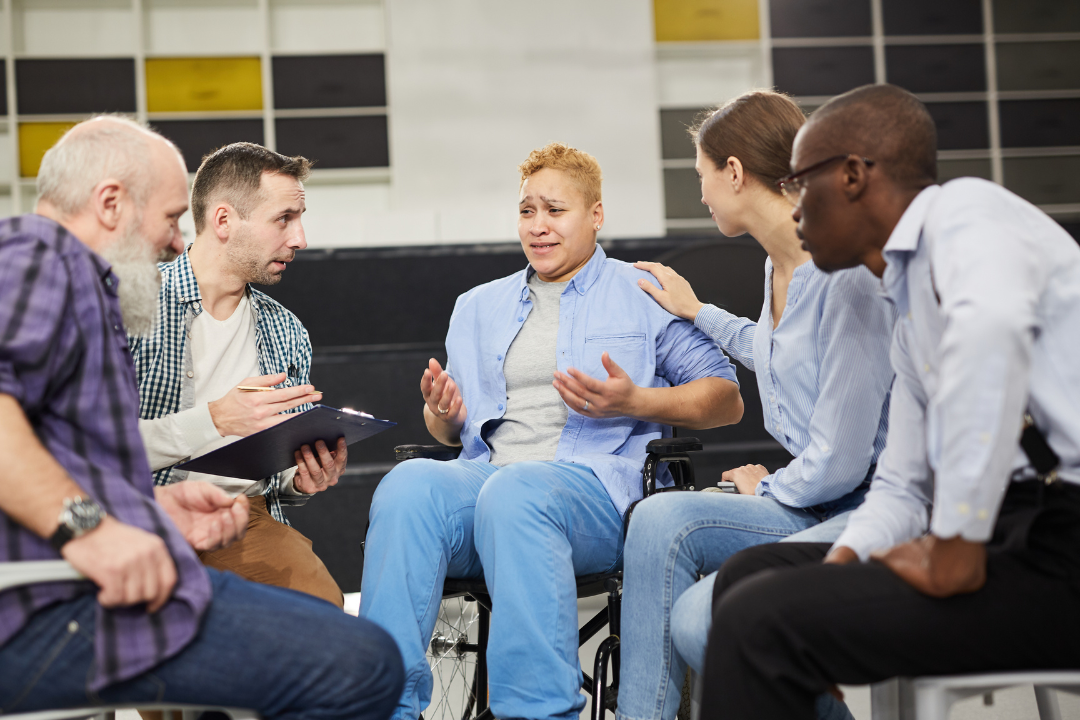
Mental health recovery is not something people should have to navigate alone.
One of the most meaningful ways WILC supports individuals in the community is through peer support and connection grounded in lived experience. Speaking with someone who truly understands can reduce isolation and create a sense of hope.
Community-based support models demonstrate the importance of shared experience, coping tools, and mutual encouragement for individuals navigating mental health challenges. Peer support reminds people that they are not alone, and that recovery and independence are possible.
Access Matters
Many conversations around mental health focus only on diagnosis or treatment. But access to services is equally critical. Access means more than availability. It means removing barriers, simplifying systems, and ensuring people are met with dignity and understanding every step of the way.
Programs like NY Connects help individuals navigate complex systems and connect to essential services related to healthcare, housing, transportation, benefits, and long-term supports. WILC’s Peer Support, Independent Living, Benefits Advisement, and employment-focused programs continue to help individuals pursue greater independence while navigating mental health and disability-related challenges.
Mental health conversations are ultimately conversations about dignity, access, stability, and community care. They are conversations about whether people feel safe, supported, heard, and able to move forward in their lives.
At WILC & PILS, that work continues every day; not just during Mental Health Awareness Month, but year-round.
If you or someone you know is navigating mental health challenges while trying to access housing, employment, healthcare, or support services, we are here to help.
