Access and inclusion mean more than making services available. They mean ensuring people feel heard, respected, and supported as they navigate the systems that shape their lives.
Westchester Independent Living Center’s culturally responsive advocacy recognizes that every individual brings their own experiences, challenges, and goals to the table. Through our Minority Outreach Program, WILC connects individuals and families with resources and opportunities that support greater independence, from community outreach and employment readiness to programs focused on personal growth and accountability.
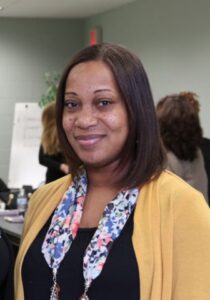
We spoke with Gichel Walters, Director of Minority Outreach and Re-Entry Programs, about what it means to meet people where they are, the barriers individuals face when seeking support, and why empowerment begins with respecting each person’s voice, choices, and potential.
You’ve spent years working with people and families navigating disability, employment, re-entry, and other systems. What first drew you to this work, and what keeps you committed to it?
What first drew me to this work was my desire to help people recognize their strengths, overcome barriers, and realize that their circumstances do not define their potential. Throughout my years of working with individuals and families navigating disability services, employment challenges, re-entry, and other complex systems, I have seen how easily people can feel overlooked, misunderstood, or discouraged when trying to access the support they need.
Define “meeting people where they are” — WILC talks about providing culturally responsive services. What does that actually look like in a real interaction with someone seeking support?
To me, “meeting people where they are” means approaching every individual with empathy, respect, and an open mind, without making assumptions about their circumstances, abilities, culture, or life experiences. It means recognizing that each person comes to us with a unique story, different challenges, and their own understanding of what support and independence look like.
What are some barriers you see people encounter when trying to access disability services and how does WILC’s MOP help them?
Another significant barrier is that people may not know what services they qualify for or how to advocate for themselves. Some individuals have experienced systems that made them feel unheard or misunderstood, which can make it difficult to trust providers or seek assistance again.
What programs fall under Minority Outreach, can you give a brief overview of them?
WILC’s Minority Outreach Program currently encompasses:
- Community Outreach: Connecting Hispanic and African American individuals with disabilities and their families to resources and opportunities, with culturally appropriate support and Spanish-speaking staff.
- Ready, Set, Work!: Supports people under probation or parole supervision with job applications, interview skills, job-search strategies, employment readiness, and retention planning.
- Anger Management: Uses a structured curriculum to help participants better understand and manage anger, build conflict-resolution skills, and develop healthier responses to frustration.
- Batter’s Intervention Program: Offers guidance and a structured curriculum for individuals who have engaged in violence in relationships, with a focus on understanding abusive behavior and making changes.
What does empowerment actually look like? Especially when you’re working with someone who may have been told—by systems or circumstances—that their choices are limited?
I also believe empowerment means respecting a person’s right to make their own decisions, even when their choices differ from what I might recommend. Our role is to provide information, resources, encouragement, and support—not to take away someone’s autonomy.
If you could leave the broader Westchester community with one message about inclusion, access, and disability, what would you want them to understand?
I would encourage the Westchester community to look beyond limitations and focus on possibilities. Ask individuals what they need rather than making assumptions about what they can do. Listen to their experiences, include their voices in decision-making, and ensure that resources and opportunities reach the communities that need them most.
WILC’s Minority Outreach Program works to ensure that Hispanic and African American persons with disabilities and their families have access to available resources and an equal opportunity to participate in all aspects of community life. It receives federal financial assistance from the Administration for Community Living (ACL), U.S. Department of Health and Human Services (HHS), and provides all services in a culturally appropriate manner.
Contact Gichel Walters, Director Minority Outreach and Re-Entry Programs, gwalters@wilc.org or call 914-682-3926 (voice), 914-259-8036 (VP).
